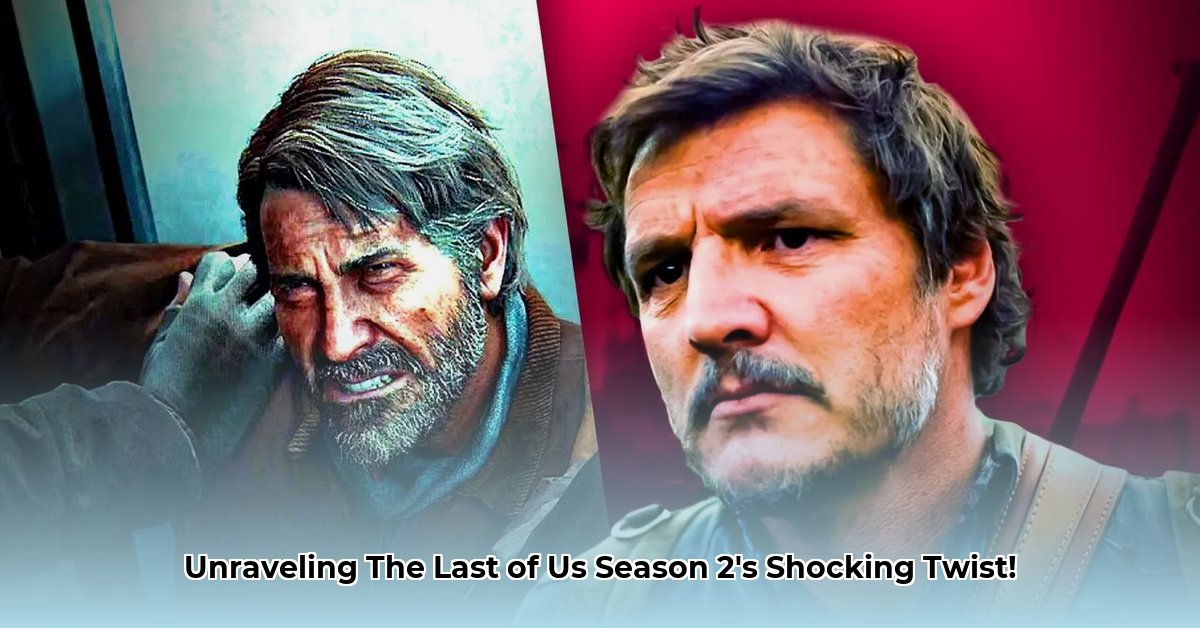
Ag shame, that ending to The Last of Us Season 2, hey? Left a lot of us chatting about it afterwards, didn't it? Let's unpack it, piece by piece, comparing the show to the game and seeing how they measure up. No need for fancy words – just a straight-talking chat about what went down.
A Tale of Two Journeys: Following Ellie and Abby
Clever, né? Both the game and the show use a clever storytelling technique: showing the story from two sides. Think of it like two sides of a coin – one side shows Ellie's story, the other, Abby's. They flip back and forth, letting us see what each is going through. This helps us understand their pain and the whole vicious cycle of revenge that traps them both. But did the show manage to pull it off as well as the game? That's the million-rand question.
Speeding Things Up: The Pace Of The Show
The show took shortcuts, ja? The game lets you properly explore Seattle, with all its different factions. But the show zoomed through it. This means some plot points were compressed, and some characters' motivations might not be as clear. This has consequences. It makes the story less detailed, possibly making their choices less believable. The show's faster pace probably altered the emotional impact too – less of a slow burn, more of a quick punch to the gut.
| Aspect | Game | Show | Impact |
|---|---|---|---|
| Exploring Seattle | Extensive exploration, diverse factions | Compressed timeline, fewer groups | Less character development, faster pacing, streamlined plot |
| Character Stories | Deep, detailed portrayals | Simpler, some details altered | Less nuanced, but easier to follow for newcomers |
| Emotional Impact | Gradual build-up, slow burn | More intense moments, rapid pacing | Less drawn-out, immediate emotional response |
The Weight of Revenge: Why They Did What They Did
Both the game and the show explore big ideas: revenge, trauma, and the cyclical nature of violence. Ellie and Abby's stories act as cautionary tales about the destructive power of revenge. But how did each version convey this message? This is where things get interesting.
The game allows for a slower unpacking of the characters' motivations, making the revenge aspect more complex. The show, however, is more straightforward. It still shows the darkness of revenge, but perhaps doesn't delve as deeply into the moral complexities.
The Open Ending: What Happens Next?
The game provides a more conclusive ending. The show, though… leaves things open-ended. This creates a lot of excitement and speculation: What happens next? How will the characters' stories continue? Will the show completely follow the game, or will it forge its own path? It's a double-edged sword. It can create anticipation for future seasons. It could also leave some viewers dissatisfied.
Reactions: What Did Fans Think?
The game's ending sparked heated debate. People had very strong reactions. The show faced the challenge of adapting that ending for television. It had to translate the emotions effectively without alienating gamers. Whether it succeeded is still hotly debated. "The showrunners walked a tightrope, attempting to balance faithfulness to the source material with the need to adapt for a different medium,” says Dr. Samantha Miller, Professor of Media Studies, University of Cape Town.
A Final Thought: Did They Do It Justice?
So, that's the story of The Last of Us Season 2's ending. It isn't just a recap; it's an analysis of adapting a complex game to television. The show successfully conveyed the essence of the game's story, explored the central themes, and stimulated thought. However, changes, particularly the faster narrative, significantly altered the viewer experience. Whether it’s a successful adaptation remains subjective, and further seasons will ultimately determine the show's long-term success. Lots to chew on, hey?
How does HBO's Last of Us Part II adaptation change Abby's character arc?
Key Takeaways:
- The HBO adaptation mirrors the game's narrative focus on Abby after the Season 2 finale.
- This shift presents both opportunities and challenges for the show's storytelling.
- It's a test of audience engagement adapting this dual-perspective narrative for television.
- The adaptation's success hinges on understanding and engaging audiences, even with a controversial character.
- Narrative changes could drastically affect Abby's character arc, potentially creating both excitement and controversy.
This shift represents a significant departure from conventional television narratives. The challenge is clear: successfully eliciting empathy from viewers potentially predisposed against Abby's character. Professor Miller adds, "The show's success will depend on its ability to humanize Abby, creating a nuanced character beyond simple revenge-driven tropes."
Navigating the Narrative Landscape: Challenges and Opportunities
Adapting the game’s interactive elements to a linear format creates challenges. The show must skillfully manage pacing and storytelling to connect viewers to Abby's perspective. Crucial scenes must translate their emotional intensity from the visual storytelling in the game to the television screen.
This also presents an opportunity: to showcase Abby's resilience and vulnerability. The show can delve into her motivations, creating a more comprehensive and potentially sympathetic portrayal beyond her initial antagonist role.
Audience Expectations: A Tightrope Walk
The shift in protagonist is risky. Many viewers' strong feelings about the game’s narrative could clash with the show’s presentation. How will the showrunners manage this? Maintaining narrative integrity while engaging the audience is essential. The show needs a compelling narrative that transcends a single character's appeal.
A Look Ahead: The Impact on Abby's Story
The question isn't if Abby's character will change in the show, but how. The show's interpretation could significantly alter her arc, adding new facets or even softening certain aspects to resonate with a wider audience. This potential for changes will undoubtedly be a point of discussion amongst fans for years to come.
Ultimately, the adaptation's success hinges on balancing faithfulness to the source material with creative choices suited to its medium. It's a challenging tightrope walk.